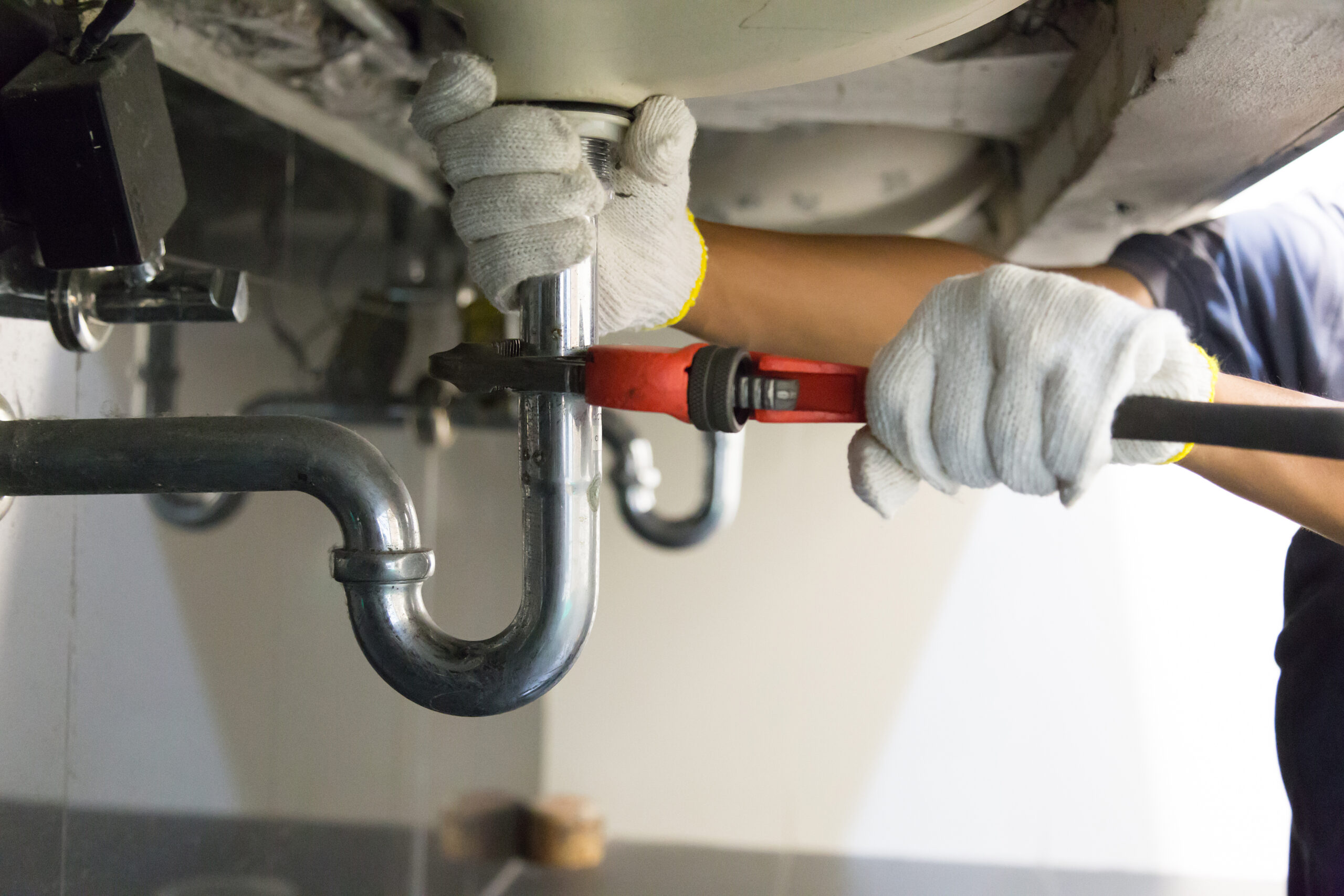
Top 5 Common DIY Plumbing Mistakes and How to Avoid Them
DIY plumbing can be a cost-effective solution for homeowners looking to tackle minor issues themselves. However, many people unknowingly make mistakes that can lead to more significant problems down the line. Here are the Top 5 Common DIY Plumbing Mistakes and some tips on how to avoid them:
- Neglecting to turn off the water supply: One of the most critical steps before starting any plumbing project is turning off the water supply. Failing to do so can result in leaks and flooding. Always locate the main shut-off valve and ensure it is closed before you proceed with any work.
- Using the wrong tools: Using inappropriate tools can compromise your repair efforts. Invest in a basic plumbing toolkit that includes essential tools like wrenches, pliers, and plungers. To learn more about proper plumbing tools, visit Family Handyman.
Continuing with the list, here are more mistakes to watch out for:
- Over-tightening connections: It might seem logical to tighten plumbing connections as much as possible to prevent leaks, but over-tightening can cause damage to equipment and seals. A snug fit is often sufficient.
- Ignoring local plumbing codes: Different areas have specific plumbing regulations that must be followed. Before starting your project, check your local building codes to ensure compliance. Understanding these regulations can save you time and potential fines.
- Not asking for help when needed: Sometimes, DIY projects can become overwhelming or complicated. Recognizing when to ask for professional assistance can help you avoid major plumbing disasters. If you're unsure about a task, consider consulting with a licensed plumber.
When to Call a Professional: Signs Your DIY Plumbing Project Has Gone Wrong
Taking on a DIY plumbing project can be a cost-effective way to solve minor issues around your home, but there are times when it's best to call in the professionals. Here are some signs that your attempt may have gone wrong: Persistent leaks, unusual noises from pipes, or a sudden drop in water pressure are all indicators that something isn't right. If your DIY repairs lead to water pooling around fixtures or floors, it's crucial to recognize that you may be creating more damage than you intended. For guidance on common plumbing issues, you can visit HGTV.
Additionally, if you find yourself in over your head, like dealing with clogged drains that won't budge after you've tried every trick in the book, it's time to grab the phone. Complex issues such as sewer line problems or major pipe replacements often need the expertise of licensed plumbers. They have the tools and knowledge to diagnose the issue correctly, preventing potential hazards. When in doubt, don't hesitate to reach out to a local plumbing expert, such as those highlighted on Angie's List.
What You Need to Know Before Attempting DIY Plumbing Repairs
Before diving into DIY plumbing repairs, it’s crucial to understand that not all plumbing issues can be easily fixed. Familiarize yourself with common problems such as leaky faucets, clogged drains, and running toilets. These are typically manageable for a DIY enthusiast, but some issues may require professional expertise. For instance, challenges related to sewer lines or extensive pipe damage are best left to the experts to avoid further complications. Consult reliable sources, such as HomeAdvisor, for additional insights into identifying plumbing issues.
Moreover, gathering the right tools is essential for a successful DIY plumbing project. Common tools may include a wrench, plunger, pipe cutter, and various types of sealants. A plumbing toolkit can save you time and frustration during repairs. Always ensure you turn off the water supply before starting any work, and consider watching instructional videos or reading guides from trusted websites like Family Handyman to equip yourself with proper techniques. Remember, safety first—wear protective gear while working to prevent injuries!